alexanderhellstén
All projects
GameIndependent project

Twilight Vail

A 2D platformer created during a 7-day game jam. I assembled and led a small team, taking responsibility for core programming, technical direction, and overall organization. I also drove the initial concept and design, and implemented key gameplay systems throughout the development period.

Date

Jan 18 - Jan 25 2026

Built with

UnityC#GitAseprite
Twilight Vail project preview

01

The Idea Behind The Game

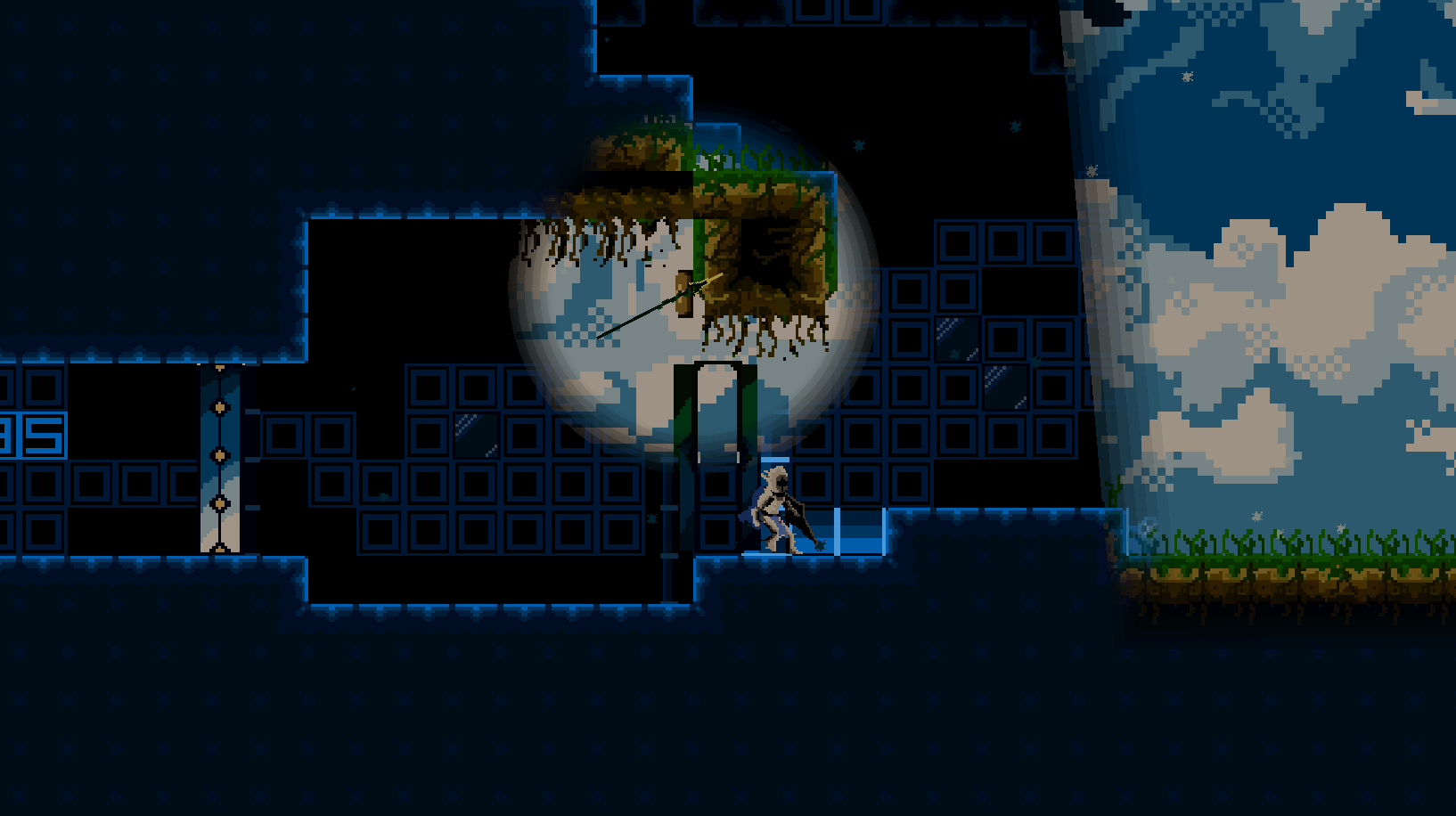
The project was created during a 7-day game jam with the themes Belt and Illusion. Unlike my previous game jam experience, this time I took the initiative to assemble and lead a small team, helping shape the initial concept and organizing development throughout the week. Our idea was to create a 2D puzzle-platformer where light reveals an entirely different version of the world. Players can throw a spear that emits light, revealing objects, platforms, and obstacles that otherwise remain hidden. At the same time, certain objects only exist in darkness, disappearing when exposed to light. We wanted to build puzzles around this contrast, forcing players to think about where they positioned their light and how it would affect the environment. The goal was to make the illusion mechanic feel like an essential part of the world rather than just a visual effect.

02

Challanges

1

Team Leadership & Development

One of my biggest challenges was balancing team leadership with programming and technical direction. Having assembled the team myself, I was responsible for helping organize the project, coordinating tasks, and ensuring everyone was working toward the same vision. While seven days gave us considerably more time than a typical weekend game jam, it also encouraged us to experiment with more ambitious ideas and features. Keeping everything organized while developing the core gameplay systems required constant prioritization and communication.

2

Light & Dimension Mechanics

One of the biggest technical challenges was implementing the light-based dimension system, which allowed players to reveal and interact with two different versions of the same world. Our solution involved creating two versions of every object that needed to exist across dimensions. Each light source emitted a mask that controlled which dimension was visually displayed within its area, effectively revealing one world while hiding the other. However, the visual effect was only part of the challenge. Each object also had its own sensor that detected whether it was inside a light mask, allowing us to dynamically control its behavior, collisions, and interactions depending on which dimension was currently active. This approach gave us the flexibility to create puzzles where platforms and obstacles could appear, disappear, or become interactive based on the player's placement of the light source. Getting the visual masking, object detection, and physics to work together consistently required plenty of experimentation and debugging, but it ultimately became the foundation of the game's core mechanics.
03

Failures & Lessons Learned

Our biggest mistake was underestimating how much time we needed for level design, testing, and polishing. We spent a significant portion of development experimenting with mechanics and implementing new features. Although this gave the game a lot of variety, it left us with roughly a day and a half to construct and refine the levels. As a result, some sections weren't as intuitive or polished as we had hoped. Players reported issues such as getting permanently stuck in puzzles, falling indefinitely, and having difficulty identifying which platforms were solid. Looking back, we would have benefited from finalizing the core mechanics earlier and dedicating more time to playtesting and refining the player experience.

04

The Result

Despite these shortcomings, we finished 8th overall out of 54 entries, with particularly strong results in several categories: 2nd place – Theme Implementation 2nd place – Audio 4th place – Visuals 6th place – Gameplay 7th place – Polish The feedback was especially encouraging regarding our creative use of light, the visual style, and the overall concept. This project was a valuable experience in leadership, technical problem-solving, and managing a larger development scope. It also reinforced an important lesson: creating interesting mechanics is only half the challenge; giving players a polished and enjoyable experience requires just as much attention.

Explore more work

More projects, ideas, and experiments.

All projects